For centuries the history of Vikramapura was known mainly from copper-plate inscriptions and later texts. These record that the Chandra kings had their seat there by the time of Srichandra in the 10th century, and that the Varman and Sena rulers who followed also issued grants from Vikramapura. What the city looked like on the ground was far less clear. Excavations over the past fifteen years in Munshiganj have begun to fill that gap.
A monastery at Raghurampur
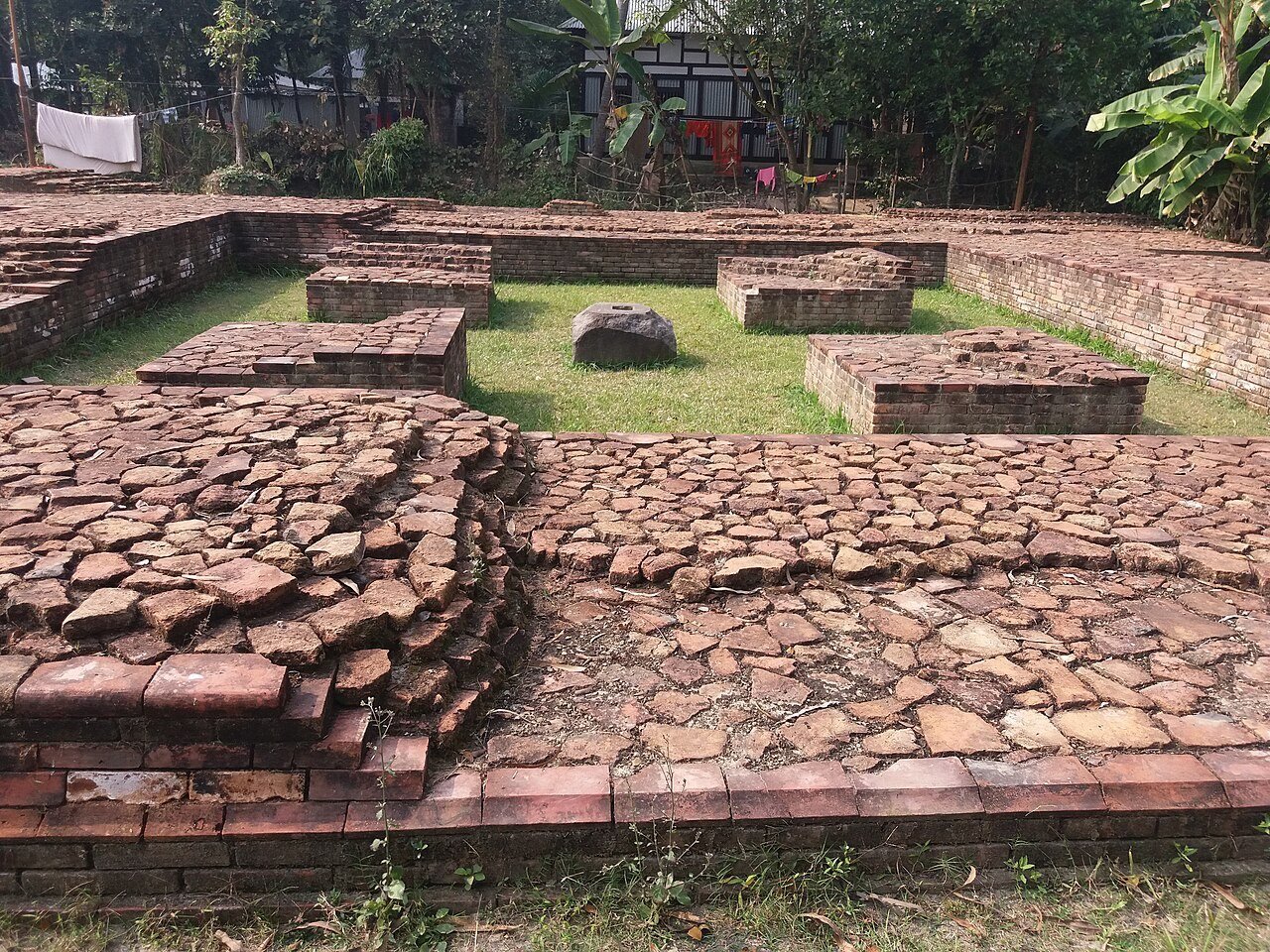
At Raghurampur village in Rampal union, Munshiganj Sadar, a team from the Agrasar Bikrampur Foundation and the Department of Archaeology at Jahangirnagar University began digging around 2010 with funding from the Ministry of Cultural Affairs. In March 2013 the team announced the remains of a Buddhist vihara. By then it had exposed five monks' cells, each about 3.5 metres square, and recovered more than 100 sculptures and other objects. The full size of the monastery could not yet be established.
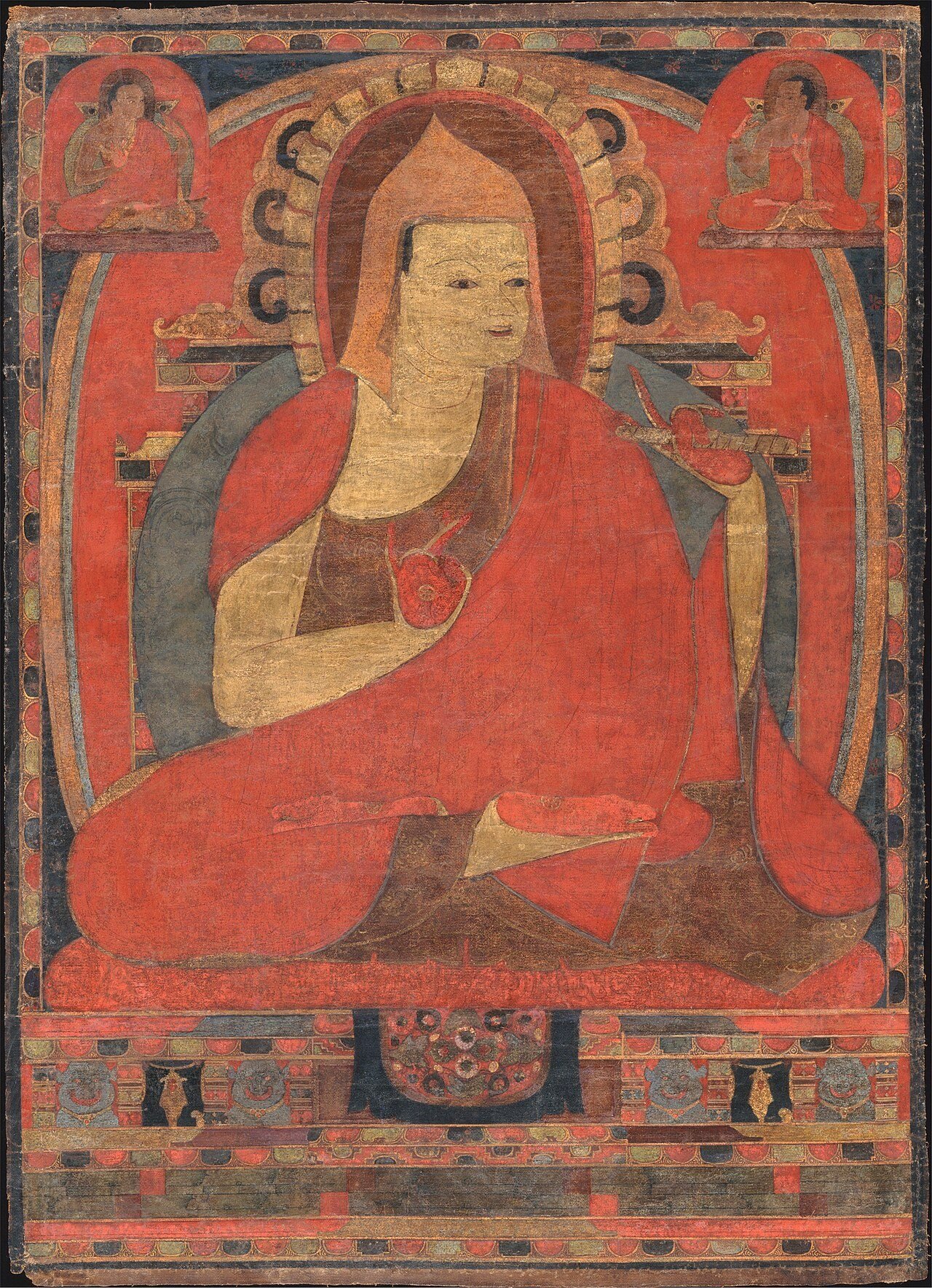
The excavators have linked the site to the monasteries of the Pala period and to the age of Atish Dipankar, the Buddhist scholar born at nearby Vajrayogini. Some descriptions attribute it to the reign of the Pala emperor Dharmapala. These are interpretations offered by the excavating team; the inscriptions found so far do not name the monastery.
Stupas at Nateshwar
A few kilometres away at Nateshwar, in Tongibari upazila, work began in 2012 and 2013. From 2014 the Institute of Cultural Relics and Archaeology of Hunan Province in China joined the project. In January 2016 the team reported 16 stupas arranged within four connected halls in a cross-shaped plan, together with an octagonal stupa, a temple, brick-paved roads and drains, and red and black pottery. Excavation director Nuh-ul-Alam Lenin and research director Professor Sufi Mostafizur Rahman of Jahangirnagar University led the work.
The team sent 26 charcoal samples to Beta Analytic, a laboratory in the United States. According to the excavators, the results point to two phases of settlement, from about 780 to 950 CE and from about 950 to 1223 CE. Later seasons exposed a large pyramid-shaped stupa, which the team describes as the only one of its kind found in Bangladesh.
Open questions
The finds confirm that Vikramapura was an important Buddhist centre over several centuries. Exactly how the two sites relate to the royal capital, and to the monasteries named in Tibetan and Sanskrit texts, is still being worked out. Full publication of the excavation results, and protection of the exposed brickwork from rain and floods, will decide how much more can be learned.
Sources: en.wikipedia.org, en.wikipedia.org, en.wikipedia.org