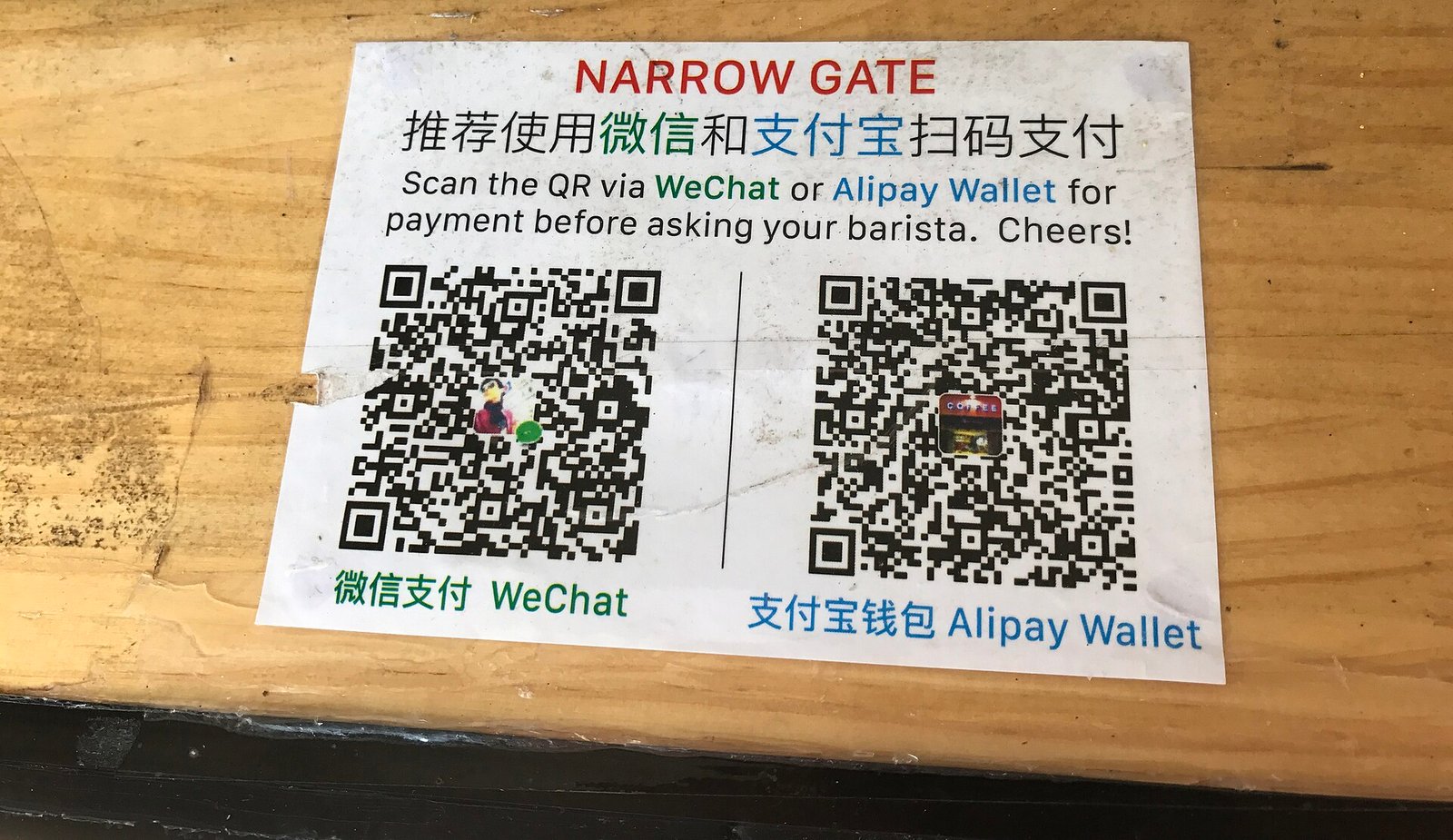
Sending money to a friend, a relative or a small shop has just become simpler. Bangladesh Bank launched a Bangla QR based person-to-person (P2P) payment service on Sunday, 1 November, allowing users to transfer money by scanning the recipient's Bangla QR code instead of typing in a mobile or account number.
The process takes three steps: scan the code, check the details that appear on screen, and confirm. Shahriar Siddique, assistant spokesperson of Bangladesh Bank, confirmed the launch in a press release, which said the service would make P2P transfers faster, safer and more convenient.
According to the central bank, the aim is to reduce reliance on cash in daily transactions, encourage wider use of digital payments and make the national payment system more inclusive. The release did not give details of fees or transaction limits, so users should check with their own bank or mobile financial service provider before using it.
Bangla QR is the national QR code standard, already familiar from shop counters where it is used to pay merchants. Extending it to transfers between individuals means the same simple scan can now be used when paying a person rather than a business.
Why it matters for Munshiganj: much of the district's everyday economy runs on small payments, from vegetable sellers at weekly haats to boat operators, tailors and private tutors. Families who send money to students studying in Dhaka, or traders settling up with suppliers in Mirkadim and Muktarpur, may find a scan-and-confirm transfer quicker than reading out numbers over the phone, and less prone to typing mistakes.
Basic safety habits still apply. Always check the name shown on screen before confirming a payment. Never share your PIN or one-time password with anyone, including callers who claim to be from a bank or mobile wallet. Remember that scanning a QR code to pay someone should never require you to reveal a secret code. If something looks wrong, contact your bank or provider directly through its official helpline.
Photo: Harald Groven, CC BY-SA 2.0, via Wikimedia Commons