Fishing for hilsa will be banned across Bangladesh for 22 days, from 8 October to 29 October, to protect the fish during its peak spawning season. The decision was taken at a meeting of the National Taskforce Committee on Hilsa Resource Development chaired by Fisheries and Livestock Minister Mohammad Aminur Rashid, and was announced on 15 September.
During the ban, catching, transporting, storing, marketing, buying, selling and exchanging hilsa are all prohibited nationwide.
The science behind the timing
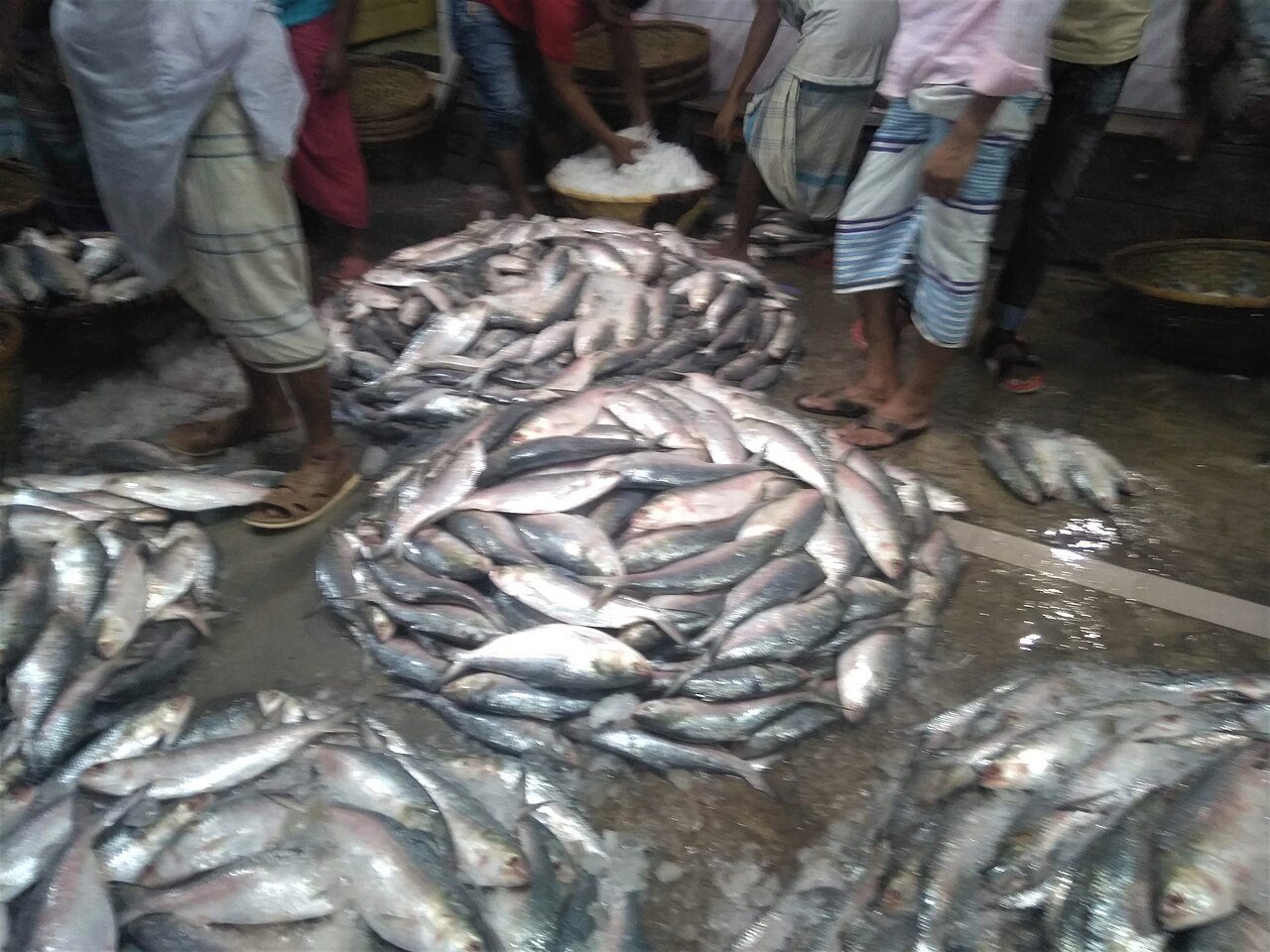
The hilsa, or ilish (Tenualosa ilisha), is the national fish of Bangladesh. It is anadromous: it lives and feeds in the sea but swims up rivers to breed. Adult fish move from the Bay of Bengal into the Meghna, the Padma and connected rivers, travelling roughly 50 to 100 kilometres upstream to release their eggs in fresh water. The young fish, known locally as jatka while they are under about 9 centimetres long, grow in the rivers before heading back to sea.
Fisheries authorities time the main autumn ban for the weeks when the largest number of mature, egg-carrying females are on the move. Leaving these fish undisturbed for a few weeks is meant to let them spawn and so produce the next generation of the catch.
This is one of several measures. Bangladesh also bans the catching of jatka and has declared river sanctuaries where fishing is restricted in certain months. For Munshiganj, which lies beside both the Padma and the Meghna, these rules shape the working year of many fishing families.
Enforcement and support
The taskforce identified major breeding grounds in Barishal, Chandpur and Bhola as hotspots that need closer monitoring. District administrations, the Department of Fisheries, River Police and the Bangladesh Coast Guard will enforce the ban, with extra boats sent to critical breeding areas as required. Officials also called for tighter action against the making and sale of banned fishing nets.
The government will provide food assistance under its Vulnerable Group Feeding programme to fishers who stay off the water during the ban.
Bangladesh accounts for most of the world's hilsa catch. Researchers and fisheries managers have long argued that protecting breeding fish and juveniles is the most direct way to keep that catch stable for river communities from the coast to Munshiganj.
Sources: en.wikipedia.org, en.wikipedia.org