Jagadish Chandra Bose is remembered in Bikrampur and far beyond as a pioneer of radio research and plant physiology. Less well known is that he also wrote in Bengali for general readers, and that one of his stories is counted among the earliest works of Bengali science fiction.
A scientist from a Bikrampur family
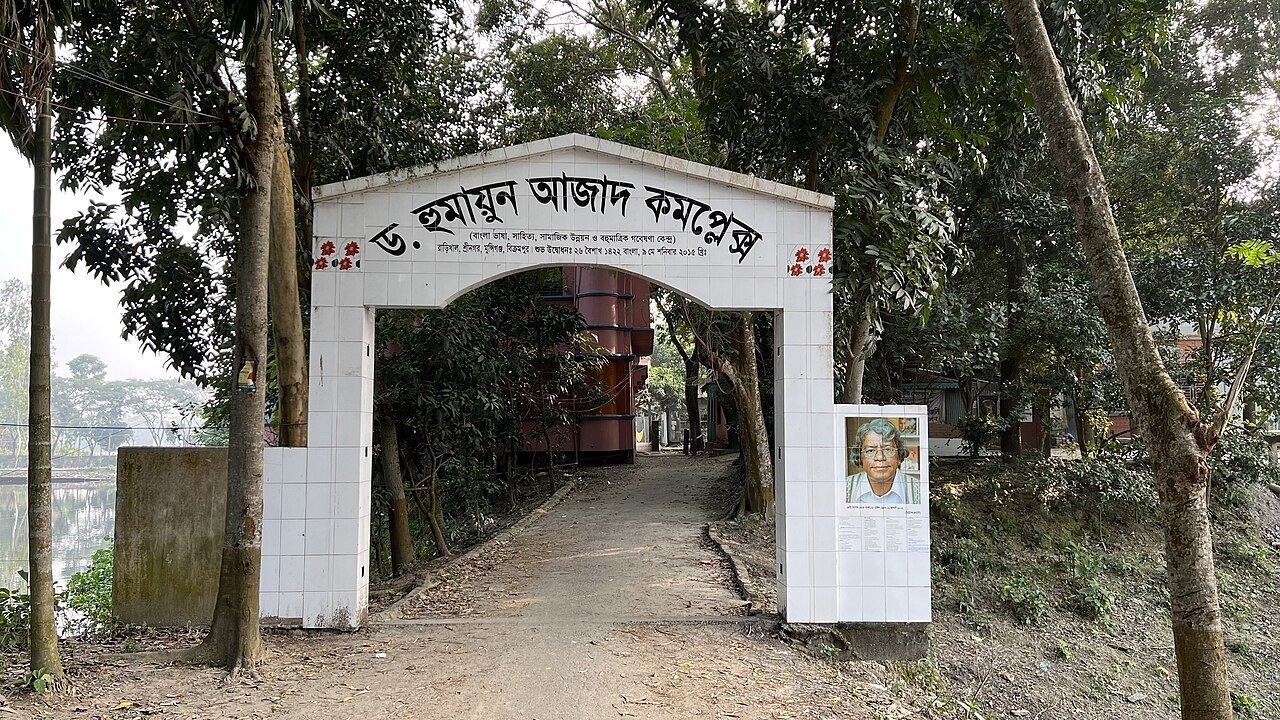
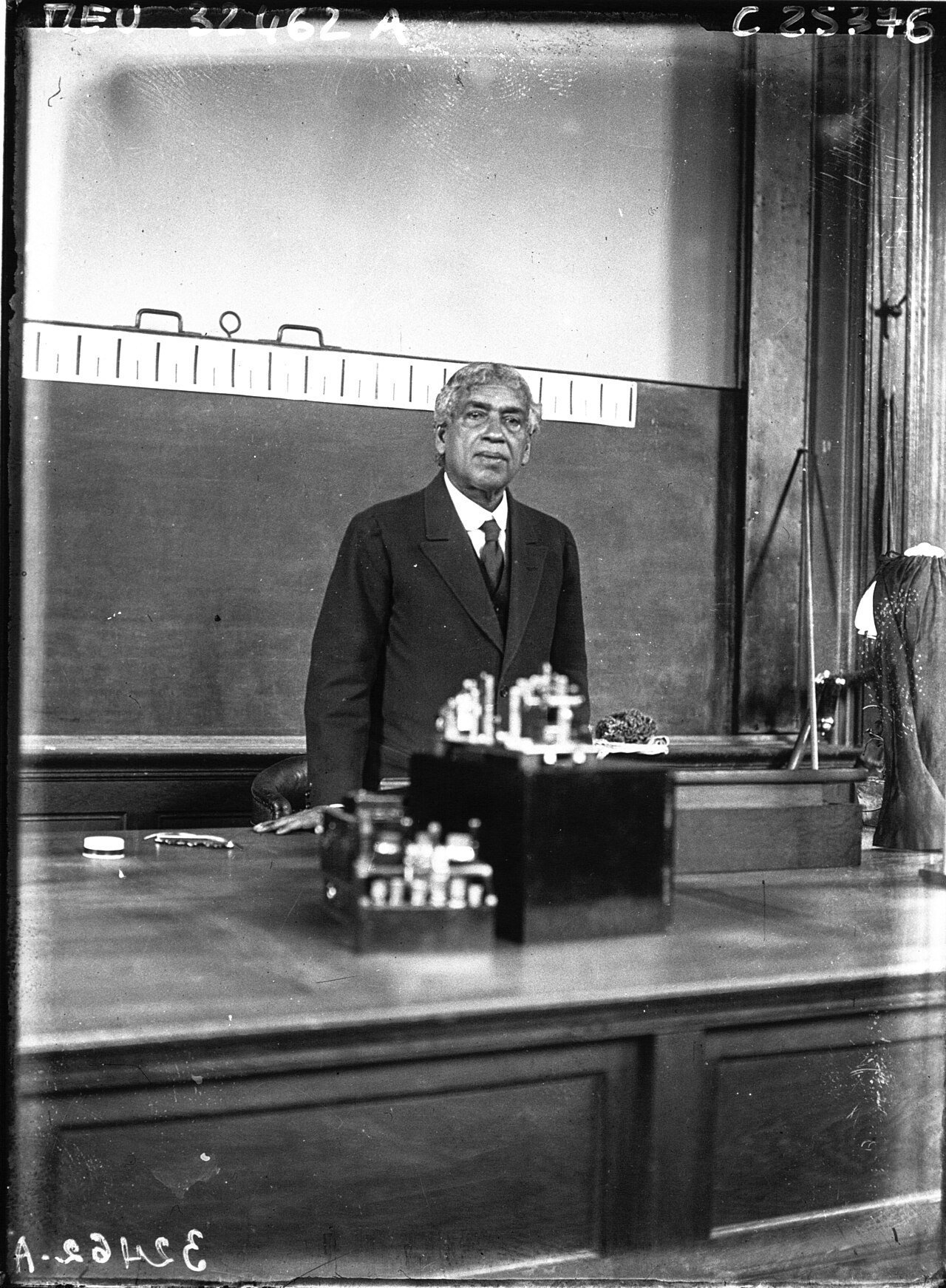
Bose was born on 30 November 1858 in Mymensingh, but his family came from the village of Rarhikhal in Bikrampur, now in Sreenagar upazila of Munshiganj. He studied the behaviour of radio waves in the 1890s and later turned to the way plants respond to stimuli, work that is now seen as an early step toward the study of plant signalling. In 1917 he founded the Bose Institute in Calcutta, which he led until his death at Giridih on 23 November 1937. He was knighted and elected a Fellow of the Royal Society.
The cyclone and the hair oil
In 1896 Bose wrote a short story called Niruddesher Kahini (The Story of the Missing One). Its plot turns on an unlikely idea: a violent cyclone is calmed when a small bottle of hair oil, sold under the brand name Kuntal Keshari, is poured onto the sea. The thin film of oil smooths the waves. The story played with a real observation known to sailors, that oil spread on water can damp the surface, and stretched it into a tale about controlling the weather.
Bose later revised the story and published it under the title Palatak Tufan (The Runaway Cyclone) in Abyakta, his 1921 collection of Bengali essays. Both versions have since been translated into English by the scholar Bodhisattva Chattopadhyay.
Was it the first?
Historians of the genre do not agree on which Bengali text should be called the first science fiction story. Bose is often described as the father of Bengali science fiction, but some specialists give that place to Hemlal Dutta's Rohosso from 1882, and Jagadananda Roy's Shukra Bhraman (Travels to Venus) is also counted among the earliest works. What is clear is that Bose's story belongs to the first generation of Bengali writing that used science as the engine of a plot.
Abyakta also shows Bose writing about trees, rivers and everyday wonders in plain Bengali, so that readers without scientific training could follow his ideas. For a region that produced both writers and scientists, it is a reminder that the two traditions were never far apart.
Sources: en.wikipedia.org, en.wikipedia.org, britannica.com