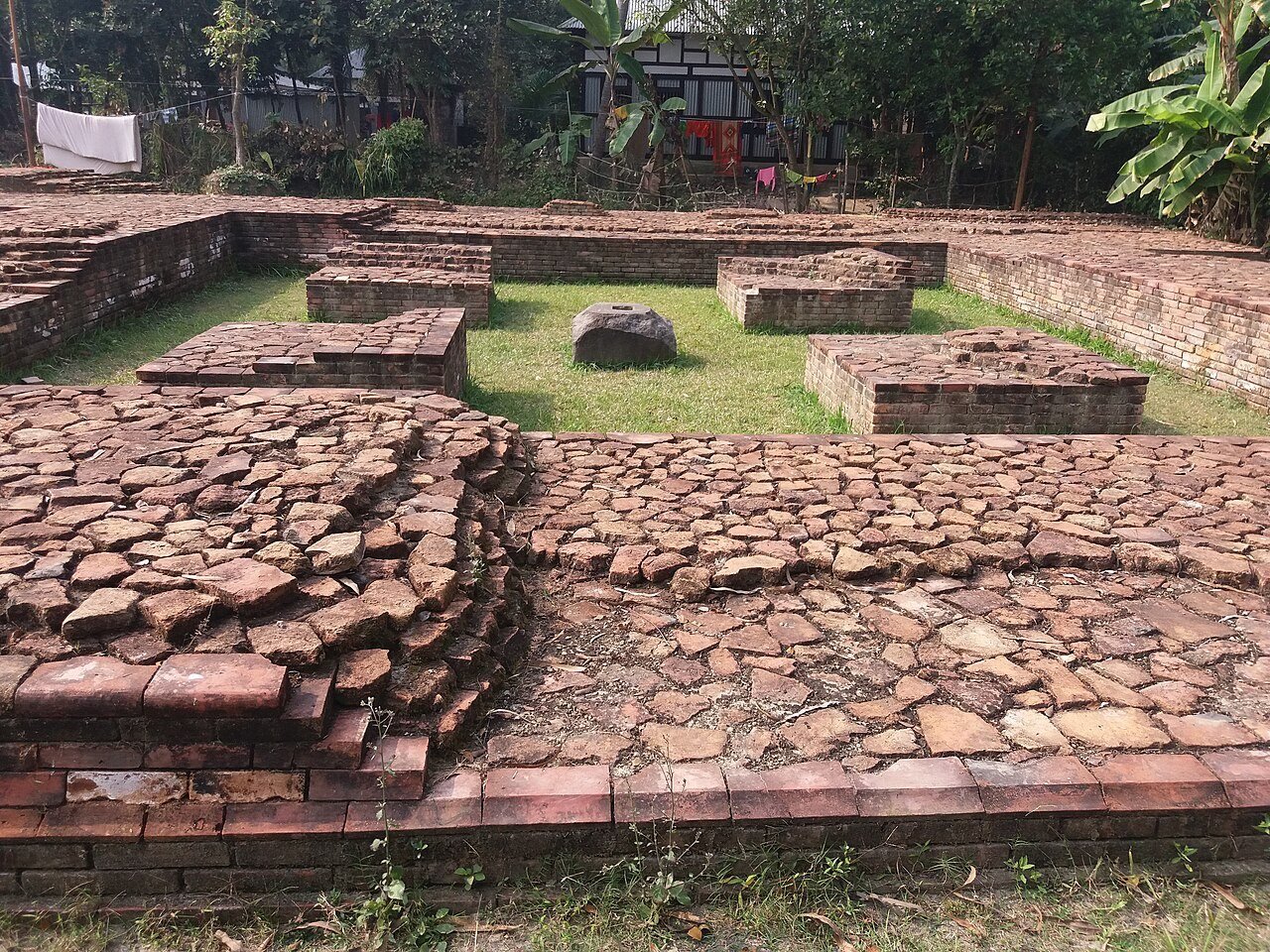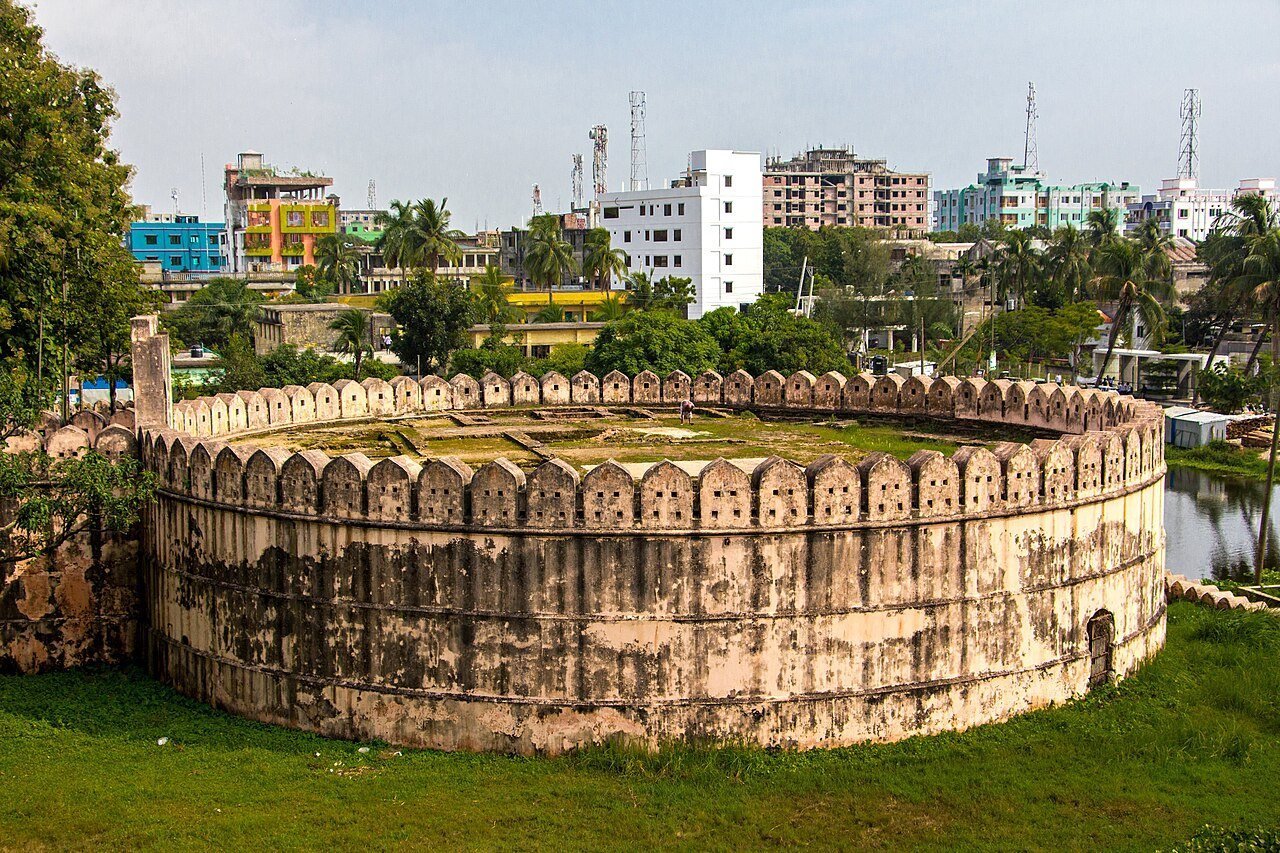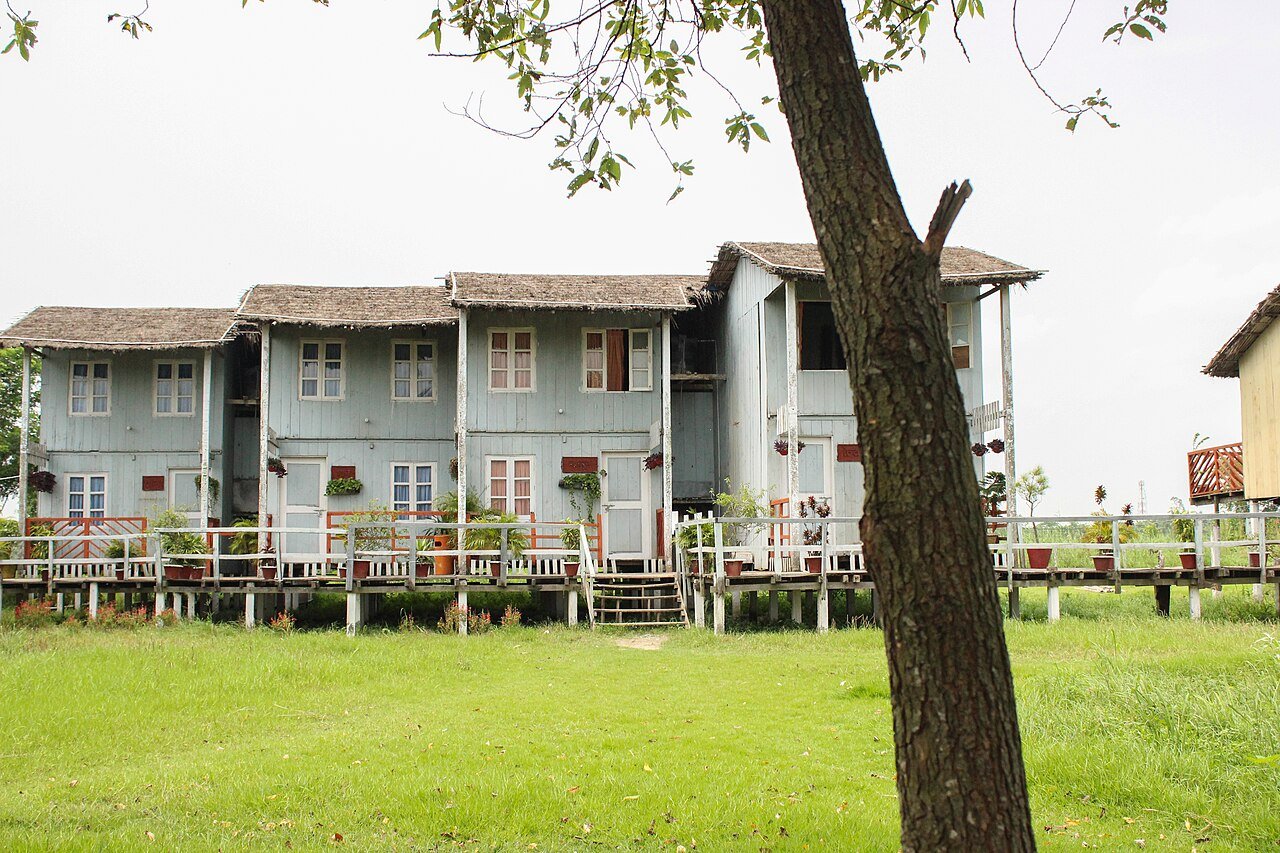
Long before road and bridge connections reshaped the region, Munshiganj had a bustling river port of its own. Komlaghat, on the Dhaleshwari near Mirkadim, was once among the busiest trading landings in Bikrampur, according to a recent account by teacher and researcher Ramjan Mahmud, published by the local outlet Amar Bikrampur on 30 October. He even argues that it is older than Dhaka's Sadarghat and Badamtali.
The port probably took shape in the Mughal period and grew considerably under British rule. Goods arrived by water from the southern regions, and the landing filled with warehouses, godowns and trading firms dealing in betel nut, coconut, chilli and spices, rice, pulses, jaggery, oil and flour. Local merchants traded with Barishal, Khulna, Rajshahi and Mymensingh, as well as Kolkata, Assam and Burma, and the account describes business links that reached as far as Italy, France and London.
Local tradition offers a charming explanation for the name. Many traders once dealt in oranges, known locally as kamla, and spoiled fruit thrown into the Mirkadim canal and the Dhaleshwari floated on the water. People began calling the spot Kamlar Ghat, which in time became Komlaghat.
Trade first centred on Mirkadim, a commercial town on the Mirkadim canal. As that waterway silted up and the Dhaleshwari changed course, merchants moved their warehouses closer to the river, giving Komlaghat its later form. In the British period, the wider Mirkadim area included Mirkadim Haat, Komlaghat, Rikabibazar, Kathpatti, Binodpur and Firingibazar. The market was divided into Monohari Patti for cosmetics and luxury goods, Gur Patti for jaggery and Arat Patti for wholesale trade.
Prominent merchant families of the Pal, Mondal, Kundu, Talukdar and Basak communities built large businesses here, and buildings such as Radhashyam Niketan still recall that era. After 1947, many established merchants left, and shallower rivers, poor road links and limited facilities gradually reduced the port's importance.
The author suggests that Komlaghat, Mirkadim, Nagar Kasba, Panam, Abdullapur and Gopalnagar could be developed together as a heritage tourism area. The idea deserves discussion, because the story of this port is the story of how Bikrampur's rivers once connected it to the wider world.
Photo: Syed Sajidul Islam, CC BY-SA 4.0, via Wikimedia Commons