As the Bengali month of Kartik draws to a close, potato growers across Munshiganj are turning to the most important decision of their year: how much to plant. The district is one of the country's leading potato producers. Last season, farmers cultivated 34,660 hectares, slightly above the Department of Agricultural Extension (DAE) target of 34,655 hectares, according to a BSS report in April. Munshiganj Sadar led with 9,581 hectares, followed by Tongibari with 9,070 and Sirajdikhan with 8,958, while Lohajang, Gazaria and Sreenagar made up the rest.
The business picture going into the new season is mixed. A Daily Star report in April put the cost of producing a kilogram of potatoes at about Tk 19 in Munshiganj, compared with Tk 15 in northern districts. Nationally, provisional DAE data showed output of around 1.17 crore tonnes last season, well above annual domestic demand of 85 to 90 lakh tonnes.
Exports are growing, though from a small base. Plant Quarantine Wing data showed 52,293 tonnes exported in FY26 up to 29 April, compared with 47,225 tonnes over the same period a year earlier, and Vietnam's market has recently opened to Bangladeshi exporters.
Storage is the other big cost. At a press briefing in August, the Bangladesh Cold Storage Association asked the government for a 20 per cent rebate on electricity bills, an increase in the potato export cash incentive from 10 to 30 per cent, and for the storage rate to stay at Tk 6.75 per kg so that farmers are not burdened further. The association said commercial power tariffs for cold storages had risen 18 per cent from 1 June. It also welcomed the government's Farmer Card programme and asked that potato growers be included.
For Munshiganj, where cold storages from Muktarpur to Tongibari are central to the local economy, these figures shape everything from bank loans to farm wages. DAE Director General Abdur Rahim has proposed using a farmer database to guide how much land goes under potatoes, and last season 6,783 hectares in the district were planted with export and processing friendly varieties. Careful acreage planning, better varieties and stronger export links remain the most practical ways to protect growers' margins this season.
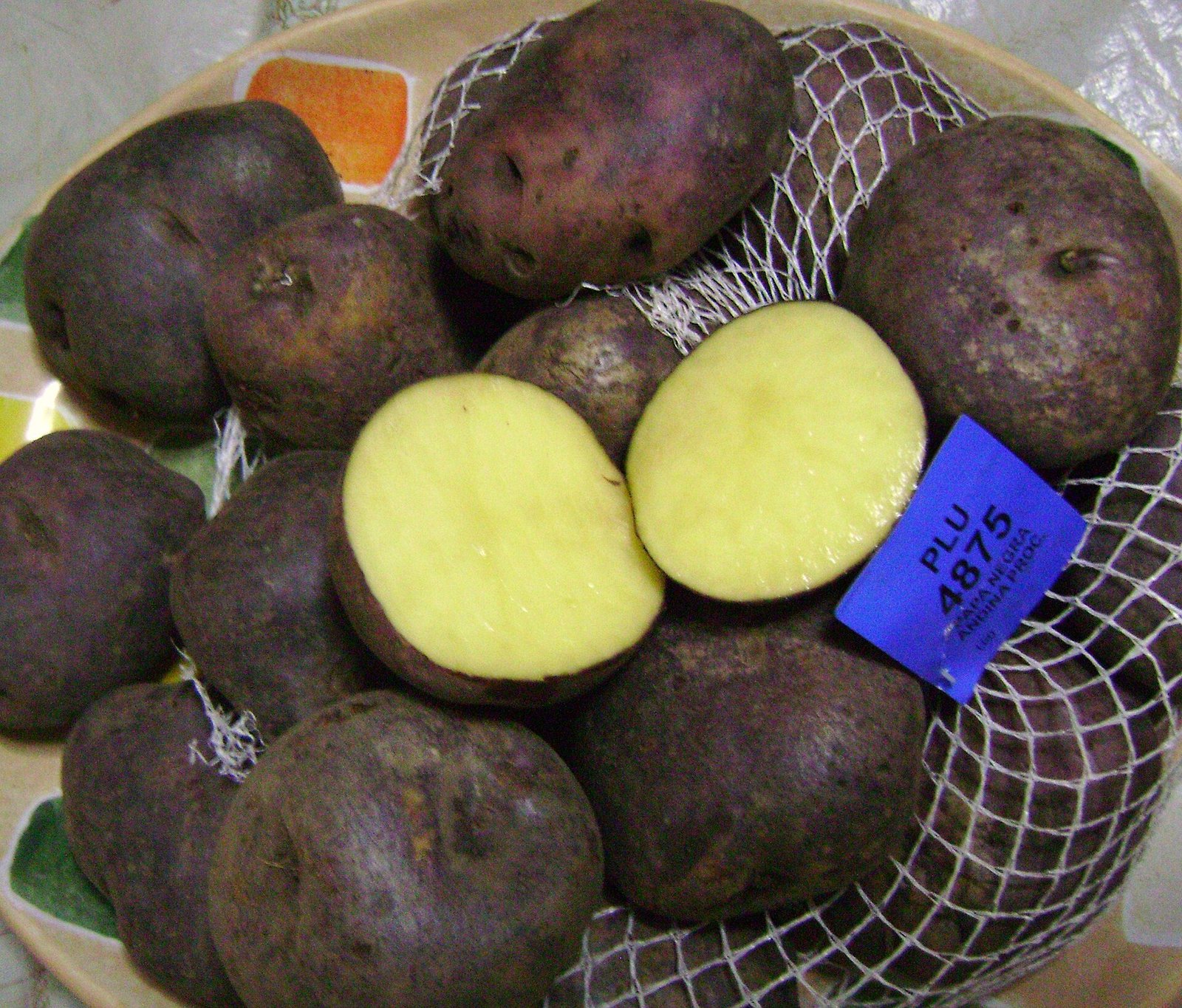
Photo: Dtarazona, Public domain, via Wikimedia Commons