Prime Minister Tarique Rahman opened the country's first Bangladesh Solar Expo 2026 on Tuesday, 3 November, at the Bangladesh-China Friendship Conference Centre in Dhaka, putting rooftop solar at the centre of the national energy conversation. The two-day event was organised jointly by the Power Division of the Ministry of Power, Energy and Mineral Resources and the Infrastructure Development Company Limited (IDCOL).
The theme of the opening programme was 'Make Every Inch of Rooftop Useful, Increase Income through Solar Power'. Power, Energy and Mineral Resources Minister Iqbal Hasan Mahmud Tuku presided, and State Minister Aninda Islam Amit, Finance Secretary Dr Md Khairuzzaman Majumder and Power Division Secretary Mirana Mahrukh also spoke. The Prime Minister handed prizes to the winners of an idea competition titled 'Sfuron: In Search of Sustainable Energy Innovation' before touring the stalls.
Exhibitors displayed solar panels, inverters, smart-grid systems and battery storage, while banks, project developers and service providers explained loans, financing options and technical support. Four seminars under the banner 'Policy, People and Capital for Bangladesh's Solar Revolution' looked at rooftop systems on public buildings, energy security, jobs and private investment.
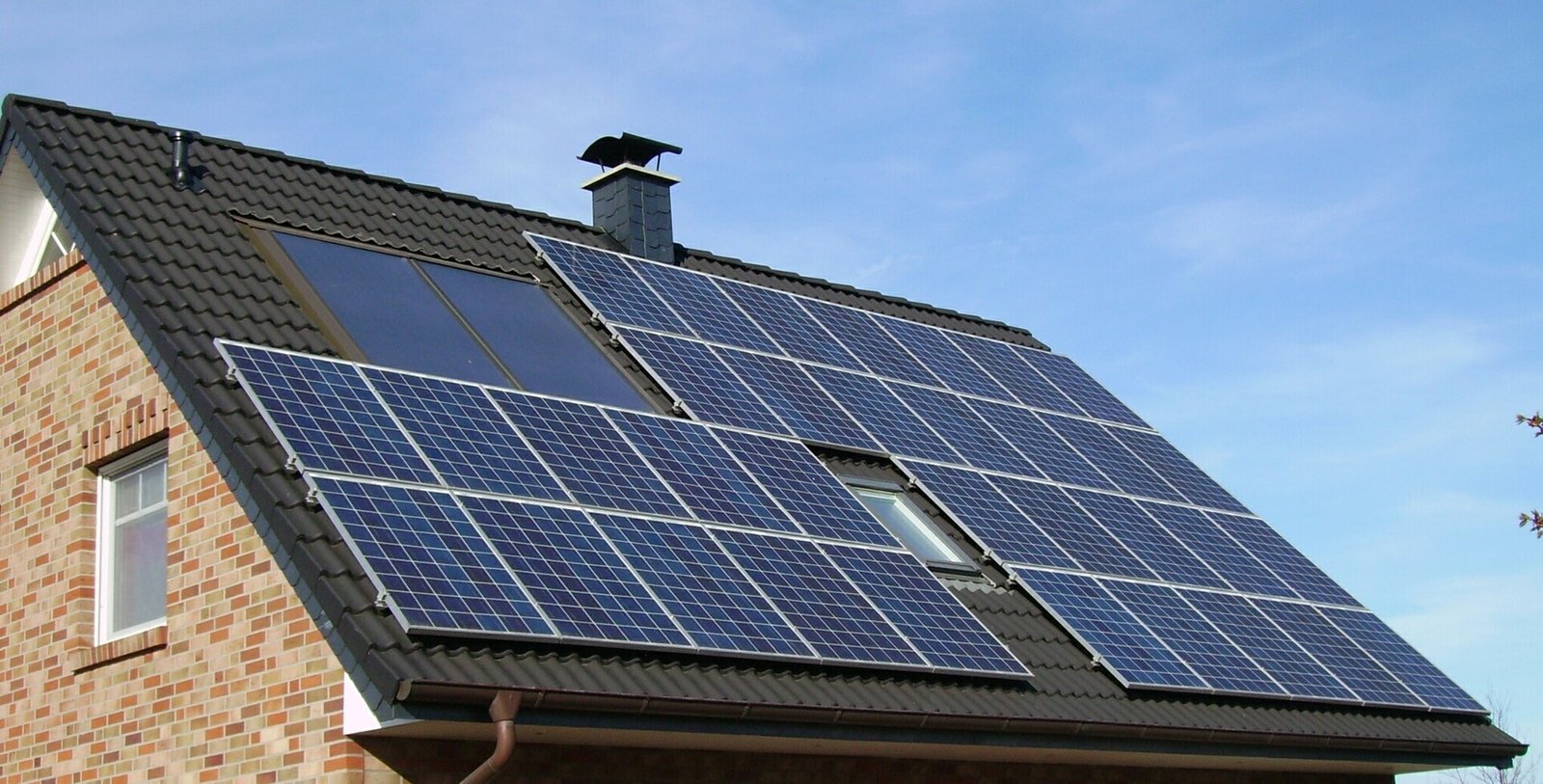
Several incentives are now being promoted to the public. Under a special net-metering package, surplus electricity from rooftop panels is bought at Tk 10.50 per unit. Import duty on solar and battery-related products has been cut to 1 per cent and VAT has been waived. The government is also encouraging an operational expenditure model, in which third-party companies install panels on the roofs of public and private institutions without the building owner paying the upfront cost. The measures sit under the Special Solar Power Ordinance 2026 and the National Renewable Energy Development Strategy 2026-2030.
Why it matters for Munshiganj: the district's economy depends heavily on electricity, from its potato cold storages to small workshops, schools and offices. Munshiganj had 58 operational cold storages last year, according to the Department of Agricultural Extension, and the Bangladesh Cold Storage Association says commercial power tariffs for the sector rose 18 per cent from 1 June this year. A scheme that pays for surplus rooftop power and removes the upfront investment could interest local businesses and institutions with large, flat roofs.
Residents who want to explore rooftop solar can start by asking their electricity provider about net-metering and by comparing the financing options promoted at the expo.
Photo: Pujanak, Public domain, via Wikimedia Commons