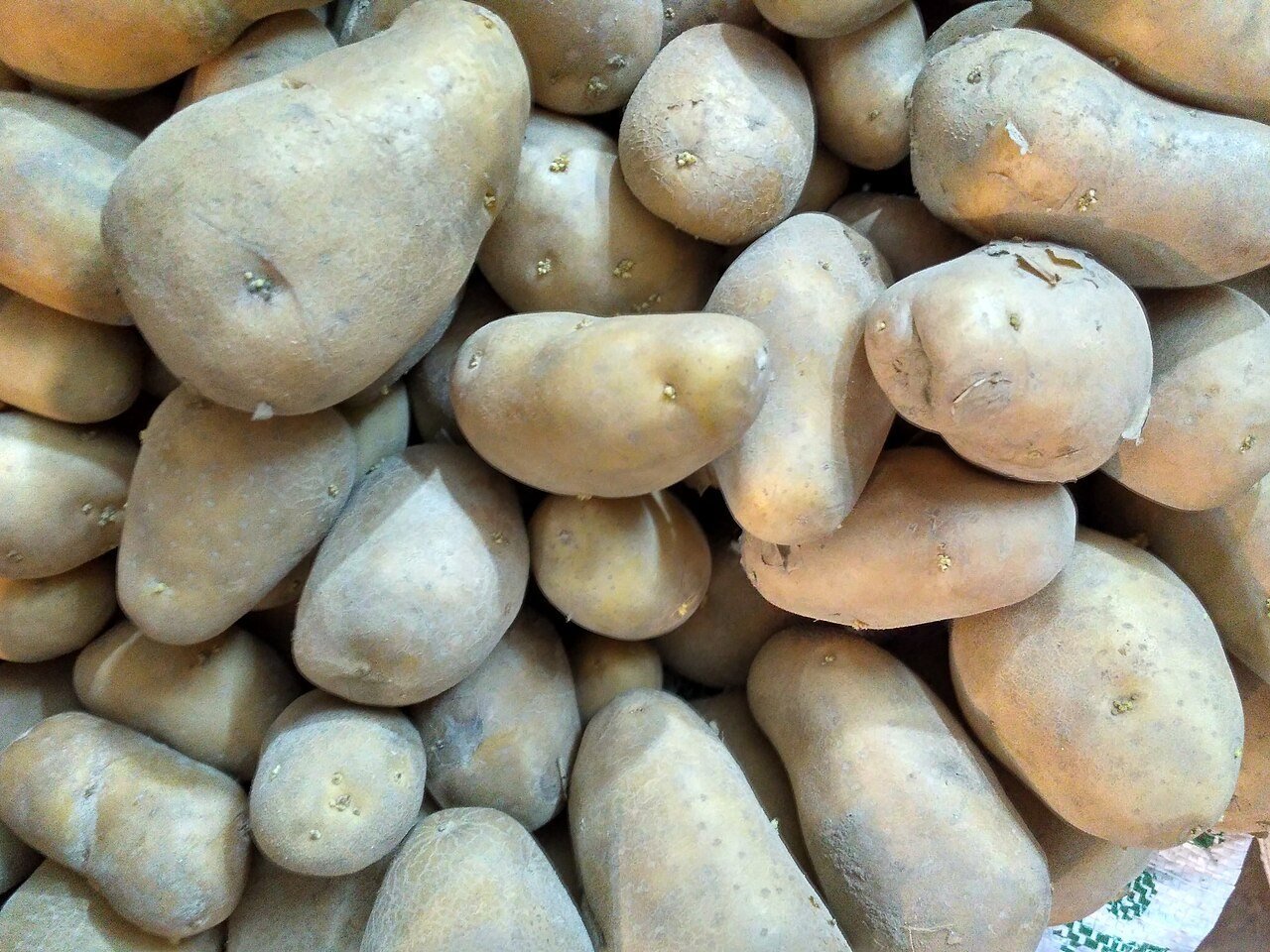
Munshiganj is one of the best known potato districts in Bangladesh. In the 2025 to 2026 season, the Department of Agricultural Extension recorded potato cultivation on about 34,660 hectares in the district, slightly above its target, with yields in some areas reaching 42 to 45 tonnes per hectare. Sadar, Tongibari and Sirajdikhan upazilas together accounted for most of that area.
Every farmer welcomes a good harvest. But in recent seasons large crops across the country have filled cold storages quickly and pushed farm-gate prices down at harvest time. When storage space runs out, small farmers who cannot afford to wait are forced to sell early and cheaply. A bumper crop can then turn into a loss.
A system built around one short season
The potato economy of Munshiganj depends on a short harvest window, a chain of cold storages, traders who buy and hold stock, and consumers who eat potatoes all year. Each link has weak points. Cold storage rent is a real burden for small growers. Power cuts during the storage months put stored potatoes at risk. Most farmers grow table varieties with little demand from processors or buyers abroad, so when the home market is full there is nowhere else to sell.
There are signs of better approaches. The Department of Agricultural Marketing has built low-cost model potato stores that work without electricity, using natural ventilation and bamboo racks, each holding up to about 30 tonnes. Extension officers have also encouraged varieties suited to processing and export. These efforts are small compared with the size of the crop, but they show what is possible.
What we suggest
- Storage for small farmers. The non-refrigerated model stores should be extended to Munshiganj and built for groups of farmers or cooperatives, so that small growers can hold part of their crop for a few months.
- Fair access to cold storage. The district administration and cold storage owners should publish rents and available space at the start of each harvest, with a share of space set aside for small growers.
- Reliable power. Cold storages should receive priority power supply during the storage months, and owners should be encouraged to invest in solar panels and backup systems.
- Grow for processors and buyers abroad. Extension officers, research institutes and private buyers can work with farmers on contract growing of processing and export varieties.
- Add value locally. Local and diaspora investors could back small processing units for chips, flakes and starch, which would create jobs and absorb surplus crop.
- Better information. A simple mobile service giving Munshiganj farmers daily prices and storage availability would reduce panic selling.
The potato has made Munshiganj known across the country. Its farmers have already shown they can grow more. The task now is to make sure that growing more also means earning more.
Sources: dae.gov.bd, dam.gov.bd, en.wikipedia.org